



What is vasculitis?
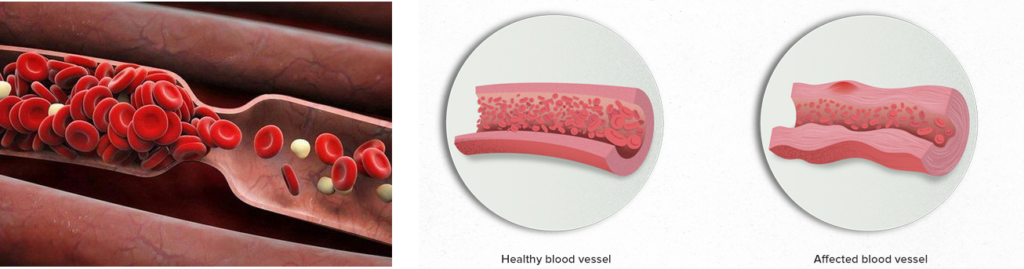
It is a group of diseases that cause inflammation in the blood vessels.
They can damage blood vessels, causing narrowing, blockages, or even aneurysms, and prevent them from carrying blood to parts of the body that need it. Vasculitis can affect many different parts of the body.
There are many different types of vasculitis, classified according to the type of blood vessels they affect. Some types are mild, while others are serious or even life-threatening.
What are the symptoms of vasculitis?
The main symptoms may include:
- Severe headache, fever, vision problems
- Loss of appetite—Some patients lose weight without trying
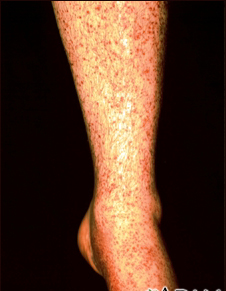
- Skin rashes (usually red or purple, resembling many small or large dots)
- Joint pain
- Abdominal pain
- Numbness, weakness, or pain in the arms, legs, or other parts of the body
- Respiratory or kidney problems

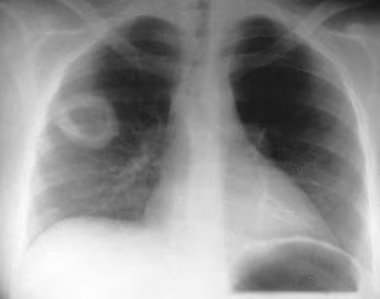
In addition to vasculitis, these symptoms can also be caused by other diseases and conditions.

Will I need tests?
Yes The symptoms of vasculitis can resemble those of other diseases, so tests are important to help your doctor identify the cause of your symptoms. Tests usually include:
- Blood and urine tests
- Imaging tests, such as X-rays, CT scans, or MRIs
- Nerve conduction studies – These check whether nerves are conducting electrical signals properly. They can show nerve damage caused by vasculitis

 Pulmonary function tests – These measure how much air a person can blow out of their lungs and how quickly they can do so.
 - Biopsy – In some cases, the doctor may need to take a small sample of tissue from an affected part of the body to examine it under a microscope. This can show signs of vasculitis and help with diagnosis.
How is vasculitis treated?

It depends on the type and severity of the vasculitis. Treatments include:
- Steroid medications, such as prednisolone – These can reduce or control inflammation. Because steroids can cause serious side effects, they are given for as short a time as possible.
- Medications that “turn off” the immune system to some extent – These include classic medications such as azathioprine, methotrexate, mycophenolate mofetil, cyclophosphamide, and biological agents such as tocilizumab, rituximab, mepolizumab, and others.
The appropriate treatment is selected according to the disease and after discussion between the patient and the doctor.