



What is osteoarthritis?
“Arthritis” is a general term that means inflammation of the joints. There are dozens of types of arthritis. 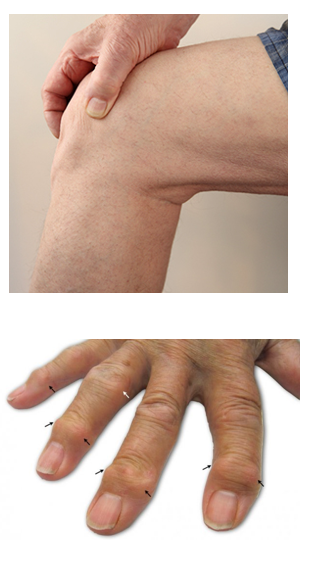
Osteoarthritis is the most common type of arthritis.
It often starts in older people and often affects the hands, knees, and hips.
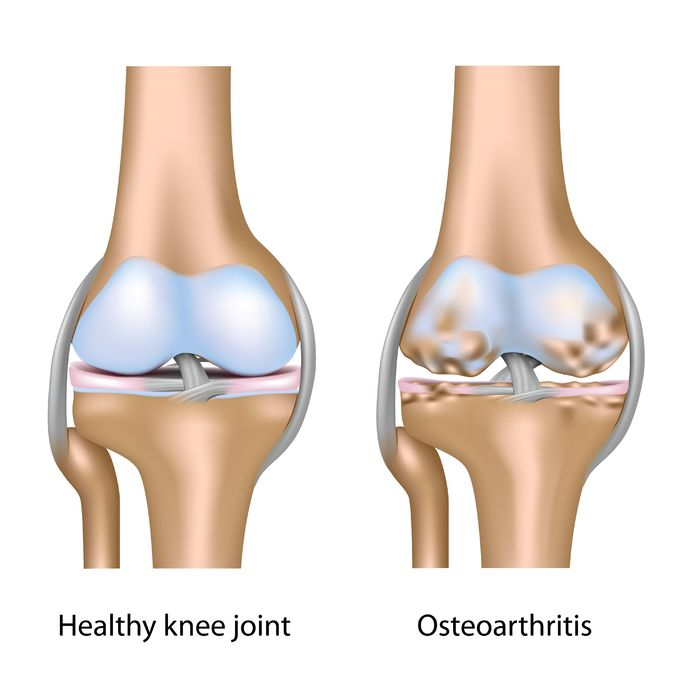
The point where two bones meet is usually covered with a rubbery material called cartilage. This material allows the bones to slide over each other without causing pain.
In osteoarthritis, the cartilage begins to break down. As it wears away, the bones in the joint begin to rub against each other.
This can cause pain, stiffness, and swelling.
What can I do to feel better?
To relieve symptoms, a patient with OA can:
● Rest for several minutes when the pain is severe, but make sure to remain as active as possible. Reduced mobility can weaken muscles and worsen pain.
● Lose weight, if necessary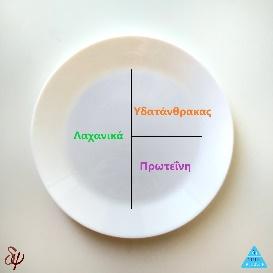
Carrying excess weight puts additional strain on the joints.
Studies have shown that losing 5 kg of body weight reduces the risk of developing symptomatic knee osteoarthritis by 50%.
● Physical activity
 Strong muscles take some of the strain off your joints. It can reduce pain later on, even if it hurts at first. Even mild forms of exercise, such as walking, are very good for your health.
● Use of “assistive devices” if recommended by your doctor—These devices can help keep your joints stable or reduce the stress on them. Examples include shoe inserts, splints, canes, and walkers.
● Arthritis education – Learning about the condition allows the patient to work with their doctor to find the best possible solution. It can also help the patient better understand what to expect with symptoms and treatment.
Are there any medications I can take?
Physical activity, weight loss, and assistive devices play a more important role in the treatment of osteoarthritis. Pain can be relieved with medications in pill form or as topical creams.
In some cases, injections into the joint can help relieve pain. However, they are not usually used as a primary treatment because they only work for a few weeks.
When injections are performed under ultrasound guidance, the following are achieved:
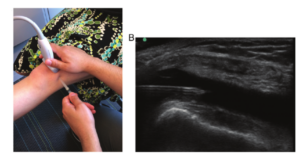
- Accuracy in administering the medication
- A painless procedure, as minimal manipulation is required
What about surgery?
When other treatments do not help enough, some people with osteoarthritis undergo surgery. For example, some people undergo surgery to replace their knee or hip.
How can I find an approach that works for me?
The symptoms of osteoarthritis can be difficult to manage. A patient may need to try different combinations of medications, exercises, and devices to find the approach that works best for them.
Most people, however, are able to find ways to get back to doing many of the things they enjoy doing.