



Neck pain
What can cause neck pain?
Neck pain occurs when there is a problem or injury to any part of the neck, such as:
- Bones – The neck has 7 bones stacked on top of each other. They form the upper part of the spine and are called “cervical vertebrae.” Neck pain can occur when the bones wear down or develop abnormal growths called osteophytes.
- Discs – These are cushions that sit between the vertebrae.
When the discs change shape or move out of place, patients may experience symptoms.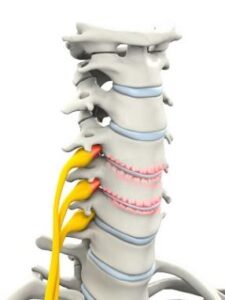
- Ligaments – These are strong tissues that connect bones to other bones. Ligament damage can occur when the neck moves suddenly back and forth, such as in a car accident.
- Muscles – Muscles hold the head up and move the neck. Neck pain can be caused by muscle strain or tension, such as from poor posture or stress.
- Nerves – A large bundle of nerves (called the spinal cord) travels down the middle of the spine. Nerves branch out from the spinal cord to all parts of the body. People may have symptoms if their nerves are irritated or compressed by nearby bones or discs.
What other symptoms may occur with neck pain?
- Pain, stiffness, or tightness in the neck, shoulders, upper back, or arms
- Headaches
- Inability to move or rotate the neck

- Pain when turning or tilting the head
- Numbness or strange sensations (such as pins and needles) in the shoulders or arms
- Difficulty walking or moving the legs
- Loss of bladder or bowel control
Will I need tests?
Some people with neck pain need tests. Depending on your symptoms and how long they have lasted, tests may include:
- X-ray, CT scan, MRI, or other imaging tests
- Muscle or nerve tests to see if they are working properly
How can symptoms be relieved?
- Taking a pain reliever such as acetaminophen or an NSAID.
- Heat on the area can help with pain and stiffness—a warm shower or warm towel or heating pad (on the “low” setting) on the area.
 Physical therapy, Neck exercises and stretches
- Practice good posture
- Stress reduction
- Some people find that massage, acupuncture, or chiropractic care help.
How can I help prevent neck pain?
- Maintain good posture with your head up and shoulders down and back.
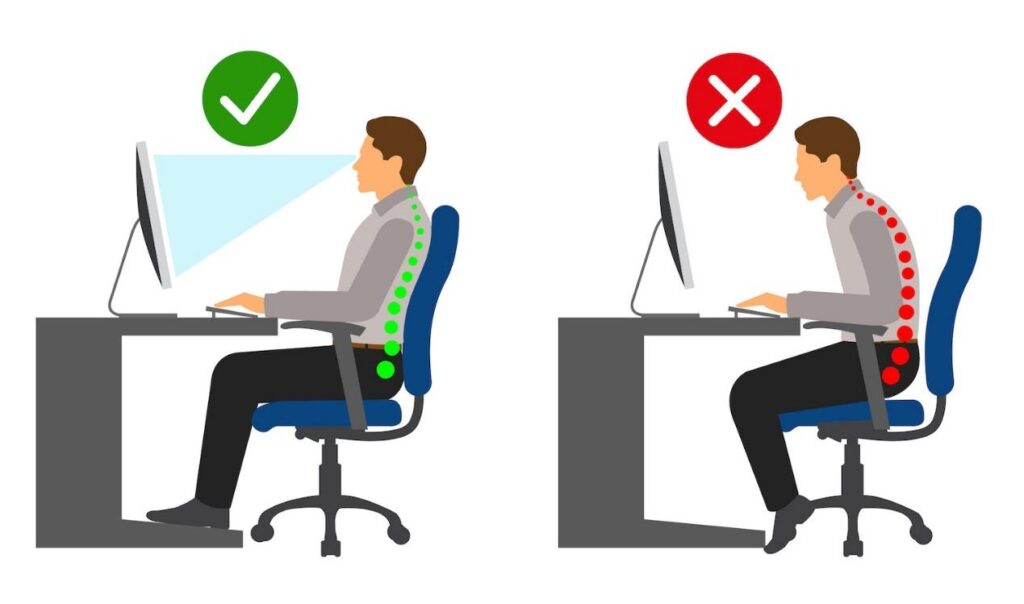
- Avoid staying in the same position for too long.
- Avoid working above head height for long periods of time.
- Avoid putting weight or pressure on the upper back.
- Place your computer at eye level when working at a desk.
Using a supportive chair is also helpful. - Use a headset or other hands-free device if you use the phone frequently.
Holding the phone between your ear and shoulder can worsen symptoms.