



What are biologic agents?
 Biologic disease-modifying antirheumatic drugs (bDMARDs), also known as “biologic agents,” are modern, specific antirheumatic drugs produced using molecular biology techniques (recombinant DNA).
How do biologic agents differ from traditional drugs such as methotrexate?
 Classic drugs such as methotrexate have a generalized effect on the inflammatory process. Biological agents are specially designed molecules that act specifically on specific factors that induce inflammation.
How exactly do biological agents work?
Biological agents inhibit the function of a variety of molecules and cells that cause autoimmunity and inflammation. They are classified as follows:
• cytokine inhibitors (such as TNFα, interleukin-1 and -6, -17, -23, etc.)
• inhibitors of B and T lymphocyte activity
• biological agents given for diseases such as systemic lupus erythematosus and osteoporosis
 Are biologic agents effective for all patients?
Although biological agents have a beneficial effect on most patients, unfortunately, they are not effective for everyone.
Some patients discontinue treatment either because they do not respond to it, which is the most common reason for discontinuing treatment, or because, in rarer cases, side effects occur.
To date, it is not known in advance which biological agent is best for each patient, but research is being conducted on this and it may be possible in the future. Most patients show significant improvement within the first 3-6 months of starting treatment.
How are biological agents administered?
Because biological agents are protein molecules, they are quickly destroyed in the stomach and are therefore administered “parenterally,” i.e., either subcutaneously with an injection or intravenously with a serum at regular intervals. 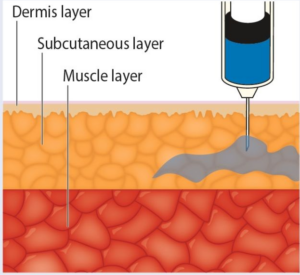
What benefits can I expect from treatment with biological agents?
Depending on the type of disease, when the biological agent begins to work, the following will be observed:
• reduction of pain and swelling in the joints
• improvement in morning stiffness and fatigue
• improvement in skin rash, if present, such as in psoriatic arthritis and SLE
• improvement in functionality and quality of life
What tests should be done before I start treatment with a biological agent?
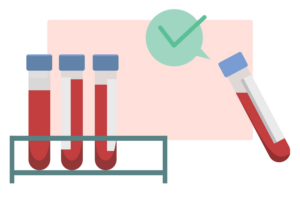 There are specific guidelines for testing before administering a biological agent, depending on the type. Such testing usually includes: • ακτινογραφία θώρακος
• Chest X-ray
• blood tests
• Mantoux skin test or Quantiferon blood test
• testing for hepatitis B and C
These tests are performed to rule out latent tuberculosis, i.e., previous contact with the tuberculosis bacterium without current tuberculosis or risk of transmission.
If there are signs of latent tuberculosis, the patient will need to receive preventive treatment before starting the biological agent in order to protect against possible reactivation.
What are the side effects of biological agents?
Biological agents affect our immune system and therefore there is a possibility of more frequent infections.
 If a patient has symptoms of infection such as cough, fever, sore throat, urinary discomfort, or is taking antibiotics, they should temporarily discontinue treatment until the infection has completely subsided and complete the antibiotic treatment.
Other possible side effects may include allergic reactions, usually mild local skin reactions at the injection site, but also some rarer ones. The treating physician will inform you of possible side effects before starting treatment.
What are JAK kinase inhibitors?
Since 2017, a new class of anti-rheumatic drugs has been in use: JAK kinase inhibitors, also known as “targeted synthetic DMARDs.”
This category includes the drugs tofacitinib, baricitinib, upadacitinib, and filgotinib, which are produced using traditional drug manufacturing techniques.
 They have similar efficacy to biologics, are taken as pills, appear to have a faster pain-relieving effect, and have a satisfactory safety profile.
What are the side effects of JAK kinase inhibitors?
Kinase inhibitors, like biologics, may increase the risk of infections.
It is important that patients receive all recommended vaccinations. The risk of herpes zoster is higher with kinase inhibitors than with other drugs, but this risk can be reduced with the recombinant zoster vaccine.
The goal of treatment is to relieve the patient of the symptoms that bother them, allow them to do the usual activities they want to do, and prevent the disease from progressing.
Thanks to ongoing research into treatments for rheumatic diseases, we are getting closer and closer to achieving our goal.