



What is ankylosing spondylitis?
It is a disease that causes pain and stiffness in the waist, back, and neck.

It starts with inflammation in the spine or peripheral joints. In some cases, it can later cause the bones in the spine to fuse together.
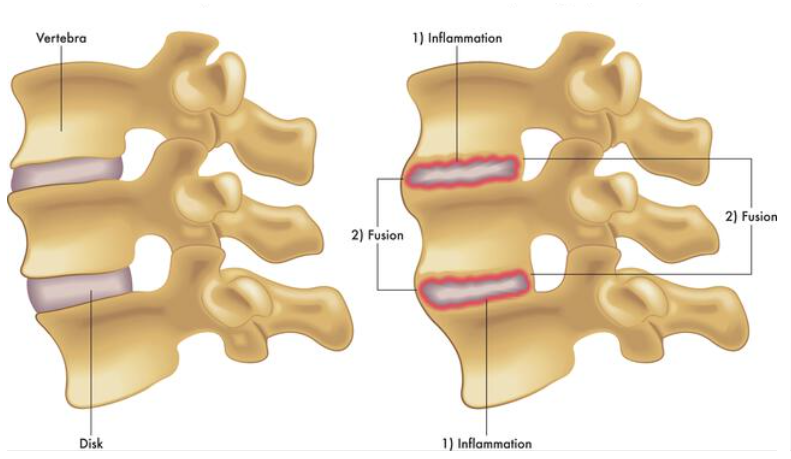
Ankylosing spondylitis is part of a group of diseases called “spondyloarthropathies.“
What are the symptoms of ankylosing spondylitis?
The most common symptom is pain in the lower back. This pain:
- Usually starts before the age of 45
- Lasts more than 3 months
- Is worse after rest, such as in the early morning hours
- Improves with movement
The back may also become less flexible. This can make movements such as bending forward to put on socks or shoes more difficult.
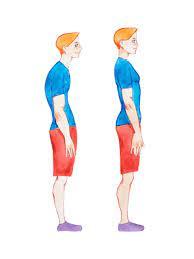
It can also lead to a “hunchback” posture over time if left untreated.
Other symptoms may include:
- Pain in other joints, such as the hips or shoulders
- Pain or swelling in other parts of the body, such as the elbows, heels, or ribs
- Fatigue
In some cases, ankylosing spondylitis can lead to other problems, such as:
- Inflammation of part of the eye
 This is called “iritis” or “uveitis” and causes eye pain and blurred vision.
 - Inflammation inside the intestine, which usually does not cause obvious symptoms
- Problems with how the heart valves work
- Respiratory problems – Some people have stiffness between the ribs and spine. This can make deep breathing and exercise difficult.
What tests will I need to have for ankylosing spondylitis?
A rheumatologist is a doctor who can diagnose the disease by asking about your symptoms, performing a clinical examination, conducting blood tests, and using imaging tests (such as X-rays and MRI).
What can I do on my own to feel better?
You can reduce the likelihood of your condition causing problems if you:
- Exercise – This can help prevent stiffness caused by ankylosing spondylitis. Tai chi and swimming are considered very helpful activities.

- Quit smoking – Ankylosing spondylitis can cause respiratory problems in advanced stages, and smoking makes the condition even worse.
If the patient’s spinal bones have fused together (bamboo spine), they may be at risk of serious injury to the neck or back (spinal cord). To reduce the chances of injury, it is recommended to:
- Remove loose rugs, electrical cords, and any clutter that could cause a fall.
- Always use a seat belt in the car.

- Avoid alcohol abuse.
- Avoid contact sports that could cause injury.
There are also support groups for people with ankylosing spondylitis. Talking to others who are dealing with similar issues can be helpful.
How is ankylosing spondylitis treated?
Treatment depends on the symptoms and the severity of the condition.
Exercise is an important part of treatment.
 Some patients work with a physical therapist to learn the best way to exercise for their individual situation.
Stretching, gentle muscle strengthening exercises, and posture exercises are very important because ankylosing spondylitis can cause the head to tilt forward into a “hunchback” posture.
Many people with ankylosing spondylitis also take one or more medications. These may include:
- NSAIDs – This is a large group of medications that includes etoricoxib, ibuprofen, and naproxen. They can help relieve pain and stiffness.
- Biological agents – These help to treat symptoms and prevent ankylosing spondylitis from getting worse.
The goal of treatment is to relieve the patient of the symptoms that cause them difficulty, allow them to perform their usual activities, and prevent the disease from progressing.
Thanks to ongoing research into treatments for rheumatic diseases, we are getting closer and closer to achieving our goal.