



Should I be concerned about lower back pain?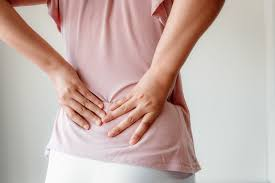
Lower back pain is a very common problem. Even when the pain is severe, it usually subsides on its own within a few weeks.
Cases requiring urgent medical attention or surgery are rarer.
Immediate medical attention is needed in cases of:
- Recent fall or injury
- Weakness or numbness in the legs
- Difficulty controlling the bladder or bowels
- Unexplained weight loss
- Fever or feeling unwell
- Regular use of cortisone
- Diabetes or other medical condition that weakens the immune system
- History of cancer or osteoporosis
A medical examination is also necessary if:
- The pain in the lower back is so severe that the patient cannot perform simple tasks
- The pain does not begin to improve within 4 weeks
What are the parts that make up the lower back?
- Vertebrae – These are the bones of the spine. Each one has a hole in the center. The vertebrae stack up to
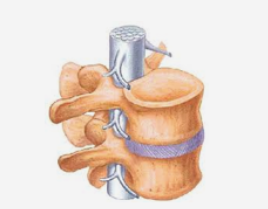 form a hollow tube called the “spinal canal.” The spinal cord passes through this canal and is protected by the vertebrae.
 - Spinal cord and nerves – The spinal cord is the bundle of nerves that connects the brain to the rest of the body and passes through the spinal canal. The nerves branch off from the spinal cord and pass between the vertebrae. From there, they connect to the arms, legs, and organs.
- Discs – Discs are located between each vertebra. They act as a cushion between the bones and allow movement.
- Muscles, tendons, and ligaments – These support the vertebrae and are used to stabilize and move the spine.
What causes lower back pain?
Many different things can cause lower back pain
Lower back pain can occur due to muscle strain. In this case, the pain starts suddenly after physical activity, such as after the patient has lifted something heavy or bent over.
Lower back pain can also occur in cases of:
- Worn, bulging, or torn discs
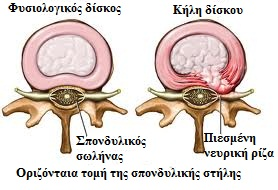
- Bone spurs that put pressure on nearby nerves
- A misaligned vertebra
- Narrowing of the spinal canal
- Ankylosing spondylitis
- Tumor or infection (but this is very rare)
Do I need imaging tests?
Most people do not initially need imaging tests such as X-rays, CT scans, or MRIs, and the pain subsides within a few weeks.
If your doctor thinks you need an imaging test, they will recommend the appropriate test for each case.
How is lower back pain treated?
Most people with an episode of low back pain do not have a serious medical problem and can try simple treatments such as:
- Staying active
The best thing people with low back pain can do is to stay as active as possible, as it has been shown that
they recover more quickly if they remain active.If the pain is severe, you may need to rest for a day or two. But it is important to get back to walking and moving as soon as possible.You should avoid lifting heavy objects and playing sports while your back is hurting.
- Heat – Some people find that using a heating pad helps.
- Medication –Non-steroidal anti-inflammatory drugs or “NSAIDs.” NSAIDs include ibuprofen and naproxen and may work better than acetaminophen for low back pain.
In some cases, a medication to relax the muscles (called a “muscle relaxant”) helps.
Some therapies that may help improve symptoms, especially in cases where they persist for a longer period of time, include:
- Physical therapy
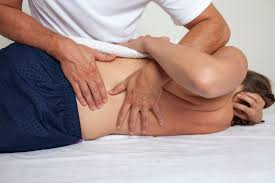
A physical therapist is an exercise specialist who can teach stretching and movements to strengthen muscles.
The goal is to relieve pain and help the person return to their normal activities. - Exercise

Exercises may include walking, swimming, or using an exercise bike.
Some people also find that tai chi or yoga can help with pain.
Finding activities that each person enjoys can help them stay active. - Injections – cortisone and anesthetic injections in the back
These can help relieve pain. However, this has only been proven to work in certain situations. - Acupuncture – In some cases, it appears to have good results.
- Stress reduction

Some people find it helpful to try a group program for relaxation and meditation training. In cases of chronic pain, anxiety, and depression, the patient may benefit from seeing a mental health professional such as a psychologist or psychiatrist. - Surgery will be needed for only a small number of people to treat back pain.