




What is systemic sclerosis (scleroderma)?
It is an autoimmune disease that causes hardening of the skin and can also affect internal organs, including the heart, lungs, kidneys, and digestive system. The digestive system includes all the structures and organs that handle and process food, such as the stomach and intestines.
What are the symptoms of systemic sclerosis?
The most common symptoms include:
- “Raynaud’s phenomenon” – This condition causes the fingers and toes to turn white or purple-blue in response to cold or stress
- Swollen skin that gradually becomes hard and thicker than normal
- Joints that become stiff because the skin around them cannot stretch normally

- Small white bumps on or under the skin of the fingers – These are called “calcinosis cutis” and contain calcium
Other symptoms that may occur when other organs are affected include:
- Acid reflux – This occurs when acid normally found in the stomach flows back into the esophagus, the tube that carries food from the mouth to the stomach, causing a burning sensation

- Difficulty swallowing
- Diarrhea
- Shortness of breath
Will I need tests?
- Blood tests
- Heart ultrasound
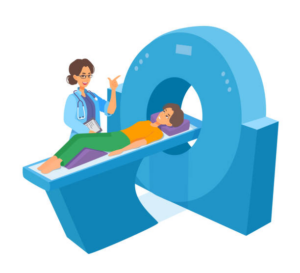
- Chest CT scan
- Breathing tests, also called “pulmonary function tests,” which measure how well your lungs are working.
How is systemic sclerosis treated?
- Prescription medications to treat the disease.
Treatment depends on the severity of the disease and which organs are affected.
It is always decided after the doctor has provided the patient with detailed information about the disease and the treatment options and after a discussion.
The goal of treatment is to relieve the patient of the symptoms that cause them difficulty and to prevent the disease from progressing.
Thanks to ongoing research into the treatment of rheumatic diseases, we are getting closer and closer to achieving our goal.