


What are oral steroids?
 Oral steroids, also known as “glucocorticoids,” are medications often taken to treat a wide range of medical conditions. These include autoimmune diseases (such as rheumatoid arthritis and systemic lupus erythematosus), allergic reactions, and flare-ups of asthma or chronic obstructive pulmonary disease (COPD).
Steroid medications can also be administered intramuscularly by injection or intravenously in more severe cases.
What are the names of common oral steroids?
Commonly used oral steroids include:
- Prednisolone
- Methylprednisolone
- Triamcinolone
- Dexamethasone
What are the side effects of steroids?
Taking steroids by mouth for less than 3 weeks is not likely to cause serious side effects.
Mild side effects that may occur with short-term use include stomach upset, increased appetite, mood changes, and sleep problems.
More serious issues may arise with long-term steroid use or high doses. These may include:
- Changes in appearance – Weight gain may be observed and the face may appear rounder.
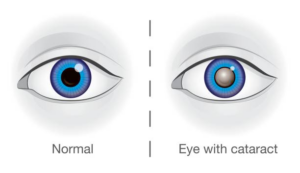
- Eye problems – Steroids can increase pressure in the eye and lead to glaucoma, as well as cause clouding of the lens of the eye, called cataracts.
- High blood pressure
- High blood sugar – Taking steroids by mouth increases blood sugar levels. In most cases, blood sugar returns to normal after stopping the steroid.
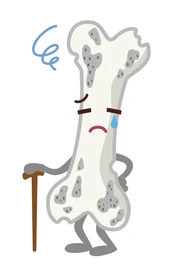
- Bone problems – Steroids can cause bone weakening, called “osteopenia” or “osteoporosis.” In very rare cases, they can also cause a problem with blood flow to the bones, called “avascular necrosis.”
- Immune system problems – Steroids affect the body’s immune system, making the person more susceptible to infections.
Due to the above side effects and thanks to the availability of new drugs, rheumatology now uses the lowest possible dose of cortisone for the shortest possible time. This drastically reduces the risk of side effects.
However, in cases where cortisone needs to be administered for a long period of time, the necessary measures are taken to prevent possible side effects, such as full vaccination of the patient, administration of calcium and vitamin D and anti-osteoporosis treatment in some cases, and others.
What is an intra-articular or soft tissue steroid injection?
A cortisone injection is a medical procedure in which medication is administered directly into a joint or soft tissue (e.g., tendons, bursae). The purpose of this treatment is to reduce inflammation and pain.
It is often used in the following cases:
• Arthritis (e.g., rheumatoid arthritis, osteoarthritis)
• Tendinitis
• Bursitis
How does a steroid injection into a joint or soft tissue work?
Steroids work by reducing inflammation in the affected area, providing pain relief and improving mobility.
Once the injection is given, the steroid begins to work within a few days and can provide relief for weeks or months.
What are the risks of a steroid injection?
When performed correctly, injections are very safe and relatively painless. When performed under ultrasound guidance, patient discomfort is minimized and maximum accuracy in drug delivery is achieved.
However, they must be used with caution as side effects may rarely occur, such as
• Increased blood pressure or blood sugar for 2 or 3 days after the injection
• Discoloration and atrophy of the skin at the injection site
• Infection

In most cases, steroid injections may only be part of the patient’s treatment.
It is important to follow the doctor’s recommendations regarding other additional treatments such as medication and physiotherapy in order to achieve the best therapeutic results.