



Shoulder pain
What are the parts of the shoulder?
The shoulder joint consists of the upper arm bone, the collarbone, and the shoulder blade.
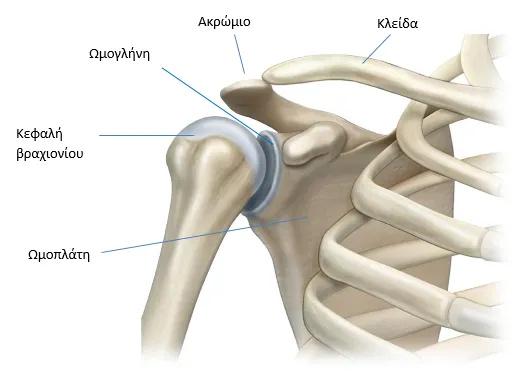
It includes muscles, ligaments, tendons, and capsules.
All these parts work together to help the shoulder move comfortably in different directions.
What can cause shoulder pain?
Shoulder pain can occur when there is a problem in any of the different parts of the shoulder.
Different conditions can cause shoulder pain.
These include:
- Bursitis
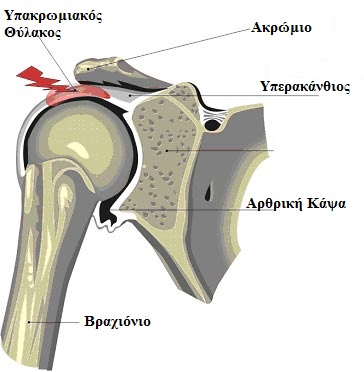 This is a condition that can cause pain or swelling next to a joint.
A bursa is a small sac filled with fluid that sits near a bone. It cushions and protects nearby tissues when they rub or slide over bones.
Bursitis is a condition in which a bursa becomes inflamed and swollen. - Frozen shoulder
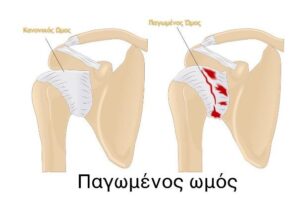 This is a condition that causes the shoulder to be stiff, painful, and difficult to move.
In frozen shoulder, the tissue around the shoulder joint becomes thick and tight. This can happen after an injury or surgery to the shoulder. - Rotator cuff injury
The rotator cuff consists of 4 shoulder muscles and their tendons.
Tendons are strong bands of tissue that connect muscles to bones.
Rotator cuff injuries and calcium deposits in the area cause pain in the shoulder and sometimes in the arm. - Shoulder impingement – This occurs when a muscle, tendon, or bursa is compressed between the bones.
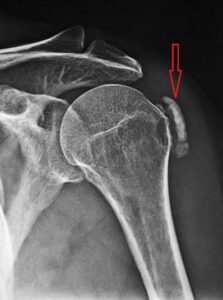
- Osteoarthritis – This is a common condition that often comes with age. The cartilage in the joints wears away, causing the bones to rub against each other. This can cause pain, stiffness, and swelling in the shoulder joints.
- Inflammatory arthritis such as crystal arthritis, rheumatoid arthritis, psoriatic arthritis, or other spondyloarthritis
How is shoulder pain treated?
Many causes of shoulder pain improve on their own. But it can take weeks to months for them to go away completely.
- Pain relief medications called “nonsteroidal anti-inflammatory drugs” (NSAIDs) – These include ibuprofen and naproxen. They can reduce pain and swelling.
- Exercises and stretches – It may be helpful to work with a physical therapist who can teach the patient gentle stretches and exercises to help with symptoms.
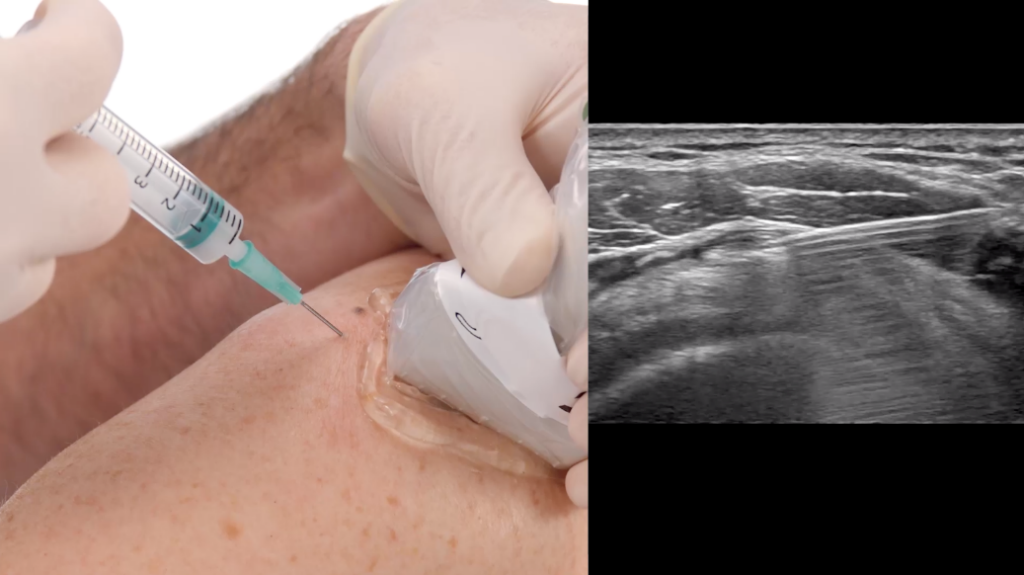
- Steroid injections in the shoulder
Steroid medications help reduce inflammation.
Steroid injections can be performed under ultrasound guidance to achieve greater accuracy and minimal pain/discomfort from the procedure.
- Surgery – Surgery may be an option if other treatments have failed and if the orthopedic surgeon determines that surgery will benefit the specific patient.Στόχος κάθε θεραπείας είναι η υποχώρηση του πόνου και η φυσιολογική λειτουργικότητα της άρθρωσης, προκειμένου ο ασθενής να έχει την καλύτερη ποιότητα ζωής.
The goal of any treatment is to relieve pain and restore normal joint function so that t

he patient can enjoy the best possible quality of life.