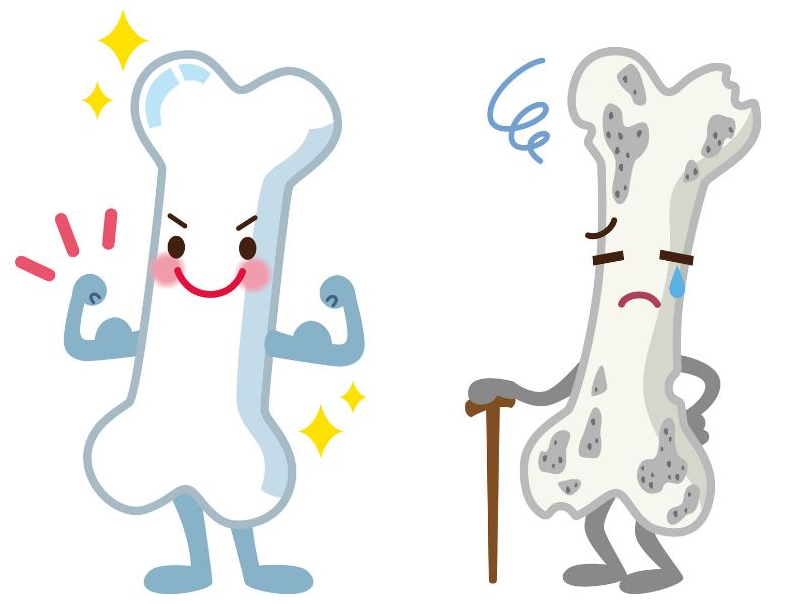



What is osteoporosis?
It is a disease that makes bones weak. People with osteoporosis can break a bone very easily, for example after a fall at home.
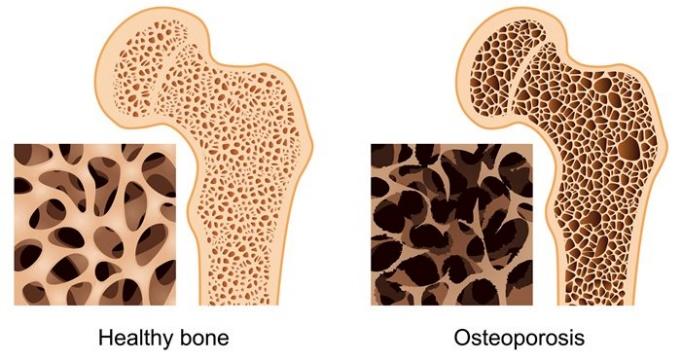
A broken bone can be serious, especially if the bone is in the hip or spine. People who break their hip sometimes lose the ability to walk on their own. That is why it is so important to prevent a broken bone in the first place.
What is osteopenia?
Osteopenia means low bone density.
People with low bone mass generally have a lower risk of breaking a bone than people with osteoporosis, but their bone density is below normal.
How can I tell if I have osteoporosis or low bone mass?
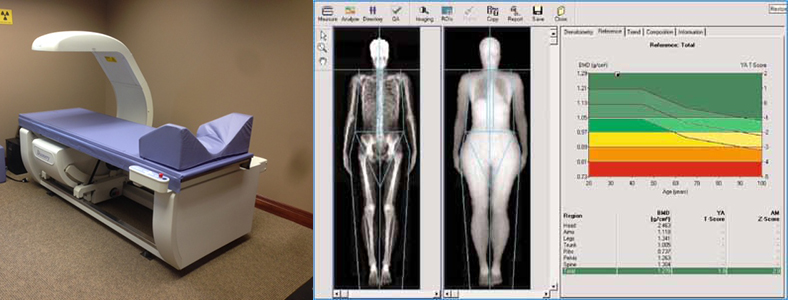
Osteoporosis does not hurt and does not cause symptoms until a bone breaks. The best test is a bone density test called a “DEXA test.” It is a special type of X-ray.
Some people find out they have osteoporosis because they break a bone during a fall or a mild impact. This is called a “fragility fracture” because people with healthy bones should not break a bone so easily. People who have fragility fractures are at high risk of breaking other bones.
How can I keep my bones as healthy as possible?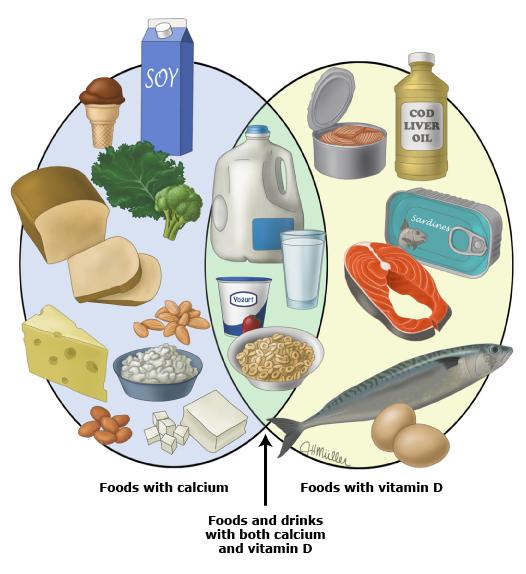
- Eat foods rich in calcium, such as milk, yogurt, and green leafy vegetables.
- Eat foods rich in vitamin D, such as milk fortified with vitamin D and ocean fish.
- Take calcium and vitamin D supplements if you don’t get enough from food. Your total daily intake of calcium should be 1000-1200mg and VitD 600-800IU.

- Exercise for at least 30 minutes most days of the week.
- Avoid smoking.
 Limit alcohol consumption to 1 to 2 drinks per day at most.
How else can I prevent fractures?
Many fractures can be prevented by reducing the chances of falling.
- Use non-slip mats to keep rugs in place.
- Remove any electrical cables so that they do not create obstacles
- Ensure good lighting in all hallways
- Be careful on slippery floors
- Comfortable shoes with non-slip soles
- Eye examination
Can osteoporosis be treated?
Yes, there are medications for treating osteoporosis that can reduce the chances of fracture.
In some cases, medication is also needed for people with osteopenia (low bone mass) who have not yet progressed to osteoporosis.
This depends on how likely the person is to break a bone and is decided by the doctor in consultation with the patient.
What do osteoporosis medications do?
Medications can:
- Reduce bone loss
- Increase bone density or keep it about the same
- Reduce the chances of fracture
For the drugs to work, it is important to get enough calcium and vitamin D.
What medications might I need?
There are many different medications for osteoporosis. The doctor, in consultation with the patient, chooses the best one for each case.
Bisphosphonates Most people undergoing treatment for osteoporosis take these medications first. If they do not work well enough or cause side effects that are too bothersome, there are other options.
Bisphosphonates come as a pill or as an intravenous infusion. The most common dose is one pill once a week.
The bisphosphonate pill must be taken according to the following instructions. Otherwise, the medication may cause throat or stomach irritation. For most bisphosphonate pills, you must:
- Take the pill in the morning, before eating, on an empty stomach.
- Drink a glass of water with the pill, but no other food or drink for 30 minutes (depending on the pill you are taking).
- Avoid lying down for 30 minutes after taking the pill. You should sit or stand during this time.
Denosumab
This is a subcutaneous injection that can be administered by the patient themselves and is given once every 6 months.
 The drug works by blocking a protein in the body that causes bone breakdown. By inhibiting the protein, denosumab reduces bone loss and the likelihood of a bone fracture.
If other osteoporosis medications cause side effects or do not help, denosumab may be given. It may also be a good option for people with kidney problems.
When a patient stops taking denosumab, bone density decreases again very quickly. Some people may be at greater risk of breaking a bone when this happens. If denosumab is stopped, then a different osteoporosis medicine should be taken to prevent rapid bone loss.
PTH or PTHrP analogue
Both of these are artificial forms of hormones that the body produces naturally. PTH stands for “parathyroid hormone” and PTHrP stands for “parathyroid hormone-related protein.” Both tell the body to build new bone. These treatments are only for people with severe osteoporosis.
Romosozumab
This is a very effective medication only for people with severe osteoporosis.
How long do I need to take osteoporosis medication?
If the patient is still at high risk of breaking a bone, they can safely take osteoporosis medication for many years.
If they are no longer at high risk of breaking a bone, they may be able to stop taking the medication for a year or more.
If they stop taking the medication, their doctor will check their bone density to make sure they are not losing too much bone mass. They may need to start taking osteoporosis medication again later.
What else should I know about osteoporosis medications?
Some people have heard that taking bisphosphonates or denosumab for a long time can increase the risk of certain bones breaking. This is true, but it happens very rarely. The chances of breaking a bone from osteoporosis are much greater than the chances of breaking a bone because you are taking bisphosphonates or denosumab.
Some people are at higher risk of breaking a bone after stopping denosumab. When denosumab is stopped, your doctor will prescribe a different medicine for osteoporosis.
The risk of osteonecrosis of the jaw associated with these drugs is small. However, it is important that dental work be completed before starting anti-osteoporosis treatment, if possible.
In patients undergoing anti-osteoporosis treatment, bone density measurements are repeated on average every 2 years to monitor the effectiveness of the treatment.
If the treatment is not working satisfactorily, a change to a different medication may be made.