




What is fibromyalgia?
It is a syndrome that causes pain in the muscles and soft tissues throughout the body.
People with fibromyalgia have many areas on their body that hurt a lot when touched. 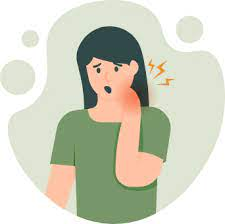
This is probably because the brain is more sensitive to pain. No one knows what causes this increased sensitivity. Fibromyalgia is not thought to be caused by inflammation.
The pain can be intense, but there is no damage or destruction to the joints, it is not life-threatening, and there are no abnormal findings in laboratory tests.
However, the condition is real and not just in the patient’s imagination (as many people who are unfamiliar with the subject believe), as it is not accompanied by visible, external signs or laboratory findings.
People who suffer from rheumatoid arthritis or other autoimmune diseases are more likely to develop fibromyalgia. It is estimated that 1 in 5 people with an autoimmune disease have fibromyalgia.
Does fibromyalgia cause symptoms other than muscle pain?
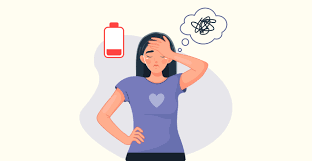
Yes. People with fibromyalgia often say they feel tired all the time and that sleep does not help them feel rested.
They may also have:
- Difficulty thinking clearlyΠονοκέφαλοι
- Headaches
- Depression and anxiety
- Flu-like symptoms
- Stomach pain
- Diarrhea or constipation
- Jaw problems
Is there a test for fibromyalgia?
No, it is a diagnosis of exclusion. This means that the doctor must first rule out other pathological causes that could be causing the patient’s symptoms before concluding that it is fibromyalgia.
Can fibromyalgia be cured?
In some people, fibromyalgia seems to improve. But in most people, it cannot be cured.
Even so, people can learn to cope with the condition and live fairly normal lives.
How is fibromyalgia treated?
There are medications and other practices that help with the symptoms of fibromyalgia. There is no single treatment that works for everyone.
Patients need to understand that improvement from treatment is slow and that treatment is long-term (at least several months).
The patient and doctor need to work together to find the right combination of treatments for the patient. In general, treatment may include:

- Medications to relieve pain, improve sleep, or improve mood
- Physical therapy to learn exercises and stretches—Exercise
- Psychotherapy
Do I need to take medication?
Certain types of medication often used to treat depression or seizures can help relieve the symptoms of fibromyalgia.
 Although the patient may not suffer from depression or seizures, these medications help improve fibromyalgia pain because they act on the areas of the brain that deal with pain.
What can I do on my own?
- Physical exercise
This is a really important part of managing fibromyalgia. Walking, swimming, or cycling can all help relieve muscle pain.

In the first few days of starting exercise, the patient is likely to feel more pain and fatigue. They need to start with gentle, short-duration exercise and gradually increase it.
- Improving “sleep hygiene”
Avoid caffeine and alcohol, especially close to bedtime. It also helps to avoid using screens before bedtime. - Psychotherapy
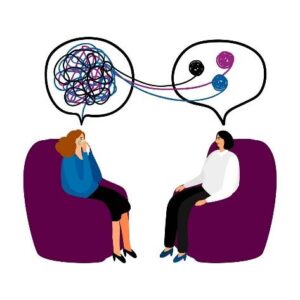
Chronic pain can negatively affect patients’ mood.
In addition, the emotional state of a patient with fibromyalgia can greatly affect their perception of pain.
Efforts to reduce anxiety and depression and restore mental calm are essential.Therefore, working with mental health professionals can help in the treatment of fibromyalgia.