



Dermatomyositis, or “DM,” is an autoimmune disease that causes muscle weakness and skin rashes.
In people with DM, the muscles and skin become inflamed. A percentage of patients also experience lung problems.
DM is more common in adults, but it can also occur in children.
What are the symptoms of dermatomyositis?
DM causes:
- Muscle weakness
 The weakness usually affects both sides of the body.
It involves muscles closer to the trunk of the body, such as those in the neck, shoulders, hips, and thighs.
Depending on the muscles involved, people with DM may have trouble climbing stairs, lifting things above their heads, or swallowing. - Skin rashes – DM causes different types of skin rashes on different parts of the body. The rashes are usually red or purple and itchy, sometimes scaly and sometimes red. Sunlight usually makes the rashes worse.
Patients may develop rashes on:
- Fingers, including the back of the finger joints and around the nails

- Elbows and knees
- Upper eyelids
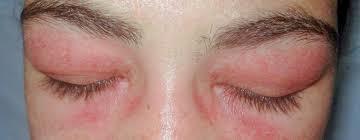
- Neck, upper chest, or upper back
- Scalp
- “Interstitial lung disease” – Approximately 1 in 10 people with DM experience this. Interstitial lung disease can cause inflammation and sometimes scarring of the lungs. This makes it difficult for oxygen to enter the lungs from the air, which can make breathing difficult.
What tests might I need to check for DM?
- Blood tests – These include tests to look for muscle irritation and inflammation and to check how the immune system is functioning.
- Electromyography (EMG) – This test shows whether muscles are responding to electrical signals from nerves in the right way.
- Muscle biopsy – For this test, a small sample of tissue is taken from a muscle that is weak. A specialist doctor then examines the sample under a microscope.
- Skin biopsy – For this test, a small sample of tissue is taken from the skin rash and then examined under a microscope.
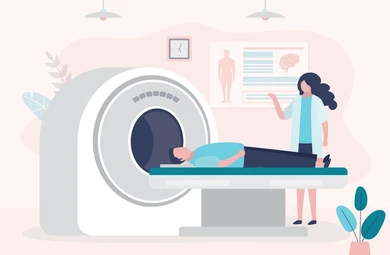
- An imaging test called magnetic resonance imaging (MRI) – This can show inflammatory changes in the muscles.
DM may be associated with certain types of cancer in adults, so your rheumatologist will recommend certain tests depending on the case.
How is DM treated?
 The main treatment initially involves drugs called steroids (cortisone). Steroids help reduce inflammation.
People with DM usually need to take steroids for a long time. However, steroids have their own side effects. They can weaken bones and increase the chances of infections such as pneumonia, urinary tract infections, and others. To avoid these side effects as much as possible, the dose of cortisone is gradually reduced over time until it is discontinued.
Medications that calm the immune system—immunomodulatory drugs—are also necessary for treatment.
The choice of medication depends on the type and severity of the disease.
An important part of treatment is maintaining muscle strength as much as possible and preventing further problems. These usually include:
- Working with a physical therapist (exercise specialist) to strengthen muscles.

- Taking appropriate measures to prevent side effects from cortisone according to the rheumatologist’s instructions.
- Protecting yourself from the sun by wearing sunscreen, wide-brimmed hats, long-sleeved shirts, and long pants.