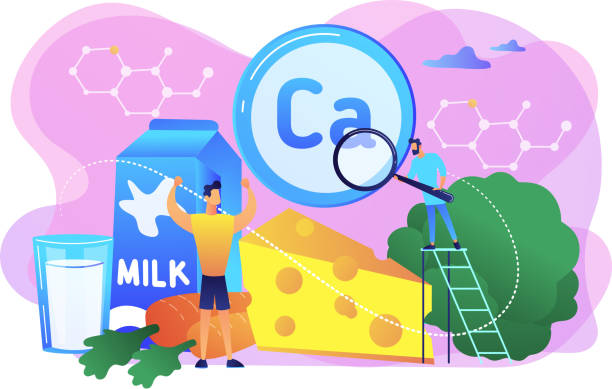



Why are calcium and vitamin D important for bone health?
- They help keep bones strong
- They prevent bones from breaking easily, especially the bones in the spine
- They help keep teeth healthy and strong
What can happen if people don’t have healthy bones?
People who do not have healthy bones may have a condition called “osteoporosis.”
Osteoporosis can make bones break more easily. Bone fractures often occur in the spine, hip, and wrist.
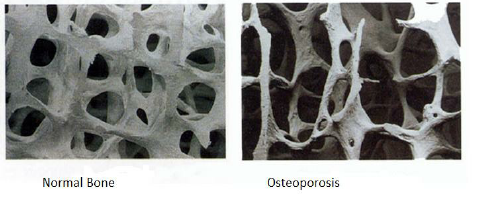
There are various treatments for osteoporosis, including medication. However, it is also necessary to consume sufficient amounts of calcium and vitamin D for both the prevention and treatment of osteoporosis.
Which foods and beverages contain calcium and vitamin D?
Various foods and beverages contain calcium and vitamin D.
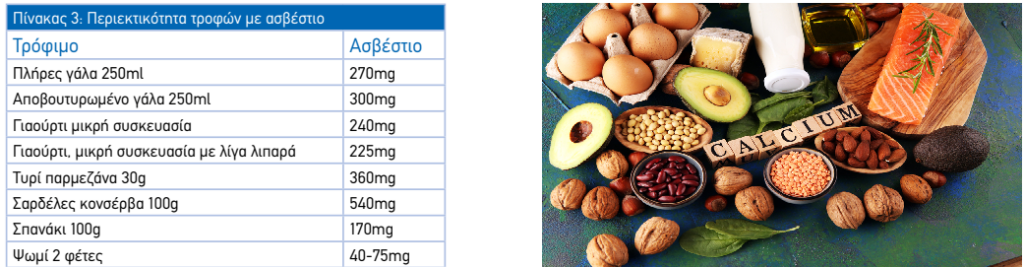
Foods and beverages rich in calcium include:
- Milk, yogurt, cheese, cottage cheese, ice cream, and other dairy products
- Green vegetables, such as cabbage, kale, and broccoli
- Certain nuts and breads
- Foods with added calcium, such as juices, cereals, and soy products
Foods and beverages rich in vitamin D include:
- Milk, orange juice, or yogurt fortified with vitamin D
- Salmon or mackerel
- Canned tuna
- Cereals with added vitamin D
- Cod liver oil

The human body can also obtain vitamin D from the sun. The body uses sunlight on the skin to produce vitamin D. However, excessive sun exposure to increase vitamin D is not recommended, as it can lead to serious problems, including skin cancer.
How much calcium and vitamin D do I need each day?
It depends, because everyone is different. For most adults, the daily requirements are considered to be as follows:
1000-1200mg of calcium
600-800 IU of vitamin D
What are supplements?
These are pills, capsules, liquids, or tablets that contain nutrients. They are another way, besides diet, to get calcium and vitamin D. Some supplements contain either calcium or vitamin D, and others contain both.
Should I take calcium or vitamin D supplements?
People who do not get enough calcium or vitamin D from their food and drink may need to take supplements.
What are some common side effects of calcium supplements?
Common side effects may include:
- Constipation – People who are constipated may have trouble with bowel movements.
- Stomach upset – Many people find that they can reduce these side effects by splitting their calcium dose. For example, they may take two small doses of calcium each day instead of one large dose.