


What is Sjögren’s syndrome?
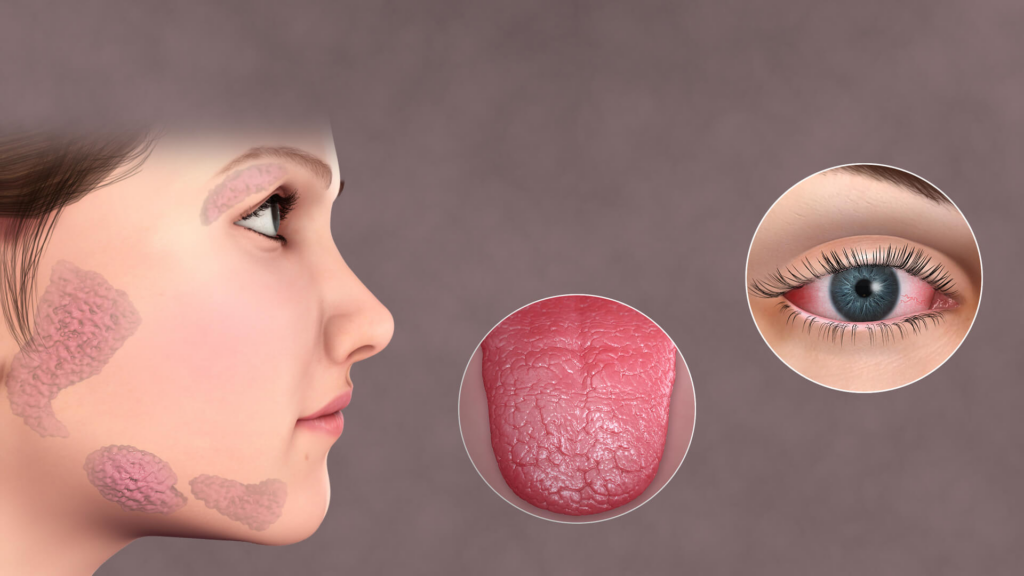
It is a disease that causes dry eyes, dry mouth, and other symptoms.
It happens when the body’s infection-fighting system (called the “immune system”) attacks glands that keep the eyes, mouth, and other parts of the body moist.
Some people with Sjögren’s syndrome also have other immune system disorders. These include rheumatoid arthritis, lupus, and scleroderma.
What are the symptoms of Sjögren’s syndrome?
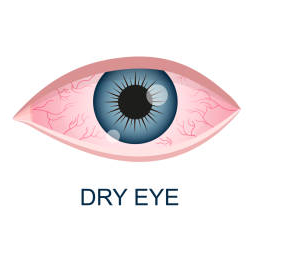
The main symptoms are dry eyes and dry mouth. Symptoms of dry eyes may include:
- Eyes that feel dry or burn
- Feeling of sand in the eyes
- Red or watery eyes
- Blurred vision
Symptoms of dry mouth may include:
- Waking up at night because your mouth is too dry
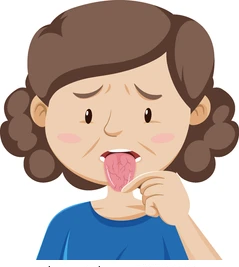 Need to drink fluids to help swallow dry foods
- Tooth decay and fungal infections
Sjögren’s syndrome can also affect other parts of the body. Symptoms may include:
- Dry skin with itching
- Vaginal dryness, which can lead to painful sexual intercourse
- Swelling of the salivary glands
- Arthritis
- Fever/fatigue
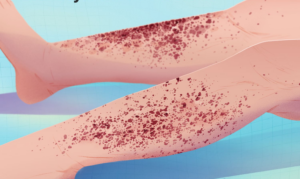
- Skin rash due to inflammation of the blood vessels
- Rare lung and kidney problems
- Rarely associated with hematological malignancy—lymphoma

Will I need tests?
Not everyone with dry eyes or dry mouth has Sjögren’s syndrome.
To get a diagnosis, you’ll need to see a rheumatologist and maybe get these tests:
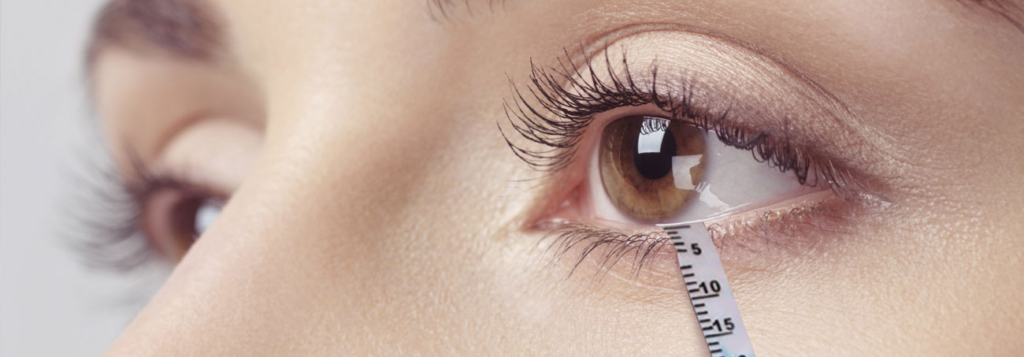
- Eye tests – To check whether the eyes produce a normal amount of tears. If not, this could be a sign of Sjögren’s syndrome.
- Blood and urine tests
- Biopsy – In this test, the doctor takes a small sample of tissue from the inside of the lower lip and another doctor examines it under a microscope for signs of Sjögren’s syndrome.
How is Sjögren’s syndrome treated?
Treatments for dry eyes include:
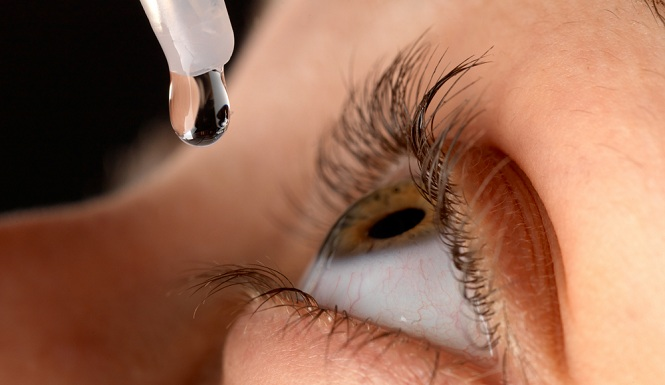
- Eye ointments and artificial tears
- Medicated eye drops – The doctor decides which drops are appropriate for each patient. Unlike artificial tears, these contain medication and are not available without a prescription.
- “Blocking the tear ducts” – For this procedure, an ophthalmologist inserts tiny plugs into the tubes that normally drain tears from the eye. This can help with dry eye by keeping tears in the eye longer.
Treatments for dry eyes include:
- Sprays and lozenges
- Prescription oral medications
Other treatments include:
- Immunomodulatory drugs that partially “calm” the immune system, such as methotrexate and biological agents such as rituximab
Is there anything I can do on my own to feel better?
- Drinking water frequently and chewing sugar-free gum or sucking on sugar-free candy can help with dry mouth
- Lip balm on dry lips and moisturizer on dry skin
- Avoid excessive air conditioning or heating. Use a humidifier in the bedroom
- Good oral hygiene! Dry mouth increases the risk of tooth decay and other oral problems.
Brushing your teeth daily after every meal and regular visits to the dentist can help prevent these problems.