



What is gout?
It is a form of arthritis caused by uric acid crystals that accumulate in the joint and cause inflammation.
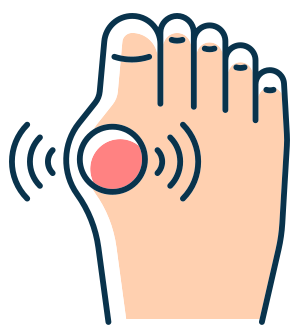
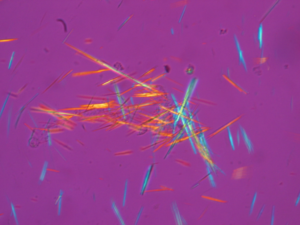
It occurs in people who have high levels of uric acid in their blood. Uric acid is a chemical produced when the body breaks down certain foods. It can form sharp, needle-like crystals that accumulate in the joints and cause pain. These crystals can also form inside the tubes that carry urine from the kidneys to the bladder. There, they can turn into kidney stones that can cause pain and problems with urine flow.
People with gout experience sudden “flare-ups” or attacks of intense pain. However, there are medications that can help prevent this.
What are the symptoms of gout?
• Gout attacks most often cause pain in the big toe, ankle, or knee.
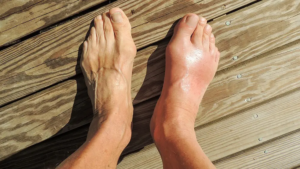
• Often, the joint becomes red and swollen.
• Usually, only one joint is affected, but some people have pain in more than one joint.
• Gout attacks tend to occur more often at night.
• The pain from gout can be extreme. The pain and swelling are worst at the beginning of an attack. Symptoms then improve within a few days to weeks.
Is there a test for gout?
Yes. A sample of fluid is taken from the painful joint. The fluid is then examined under a microscope, and if typical crystals are found, a diagnosis of gout is made.

Even without examining fluid from a joint, a doctor may suspect severe gout if:
- There is sudden pain and swelling in one joint, especially the joint at the base of the big toe.
- The symptoms disappear completely between flare-ups.
- Blood tests show high levels of uric acid.
How is gout treated?
There are medications that reduce the pain and swelling caused by gout and work best if given as soon as symptoms begin.
Medications used to treat gout flare-ups include:
- Nonsteroidal anti-inflammatory drugs (NSAIDs) – This is a large group of medications that are very effective but may not be safe for people with kidney or liver disease or for people who have bleeding problems.
- Colchicine – This medication helps with gout, but it can also cause diarrhea, nausea, vomiting, and stomach pain.
- Steroids – Steroid medications can reduce swelling and pain. Blood pressure and blood sugar need to be monitored while the patient is taking them.
Are there medications to prevent gout flare-ups?
Yes, there are medications that can reduce the chances of future gout attacks.
Most people who have recurrent or severe arthritis attacks should take these medications.
In general, they all work by reducing the amount of uric acid in the blood.
Examples of these medications include:
- Allopurinol
- Febuxostat
Allopurinol and febuxostat, however, can increase gout flare-ups when someone starts treatment with these medications.
To prevent these flare-ups, it is usually recommended to take low doses of colchicine at the same time when starting treatment. This will give the uric acid crystals time to dissolve and will stop flare-ups over time.
Usually one month after starting treatment, blood tests are performed to check uric acid levels and adjust the dose of the medication.
Keeping your uric acid level below a certain level helps prevent arthritis flare-ups.
Is there anything I can do on my own to prevent gout flare-ups?
Yes. There are a few things that may help:
- Limit alcohol and sugary drinks, as these can worsen gout flare-ups..
- Limit foods that are high in purines. (Purines are natural substances found in many foods, such as organ meats, red meat, and seafood.) However, diet alone is rarely sufficient in cases of gout—more important is taking medication correctly and avoiding alcohol.
- A balanced diet can help improve overall health. Some people with gout also have other health problems, such as heart disease, high blood pressure, kidney disease, or obesity. In any case, it is beneficial to eat fruits, vegetables, whole grains, and low-fat dairy products.